 foundation
Declare a Hard Stop
Pick a stop time and put it on your calendar before starting work.
⏱ 30s⚡ mental
Load Management
Manage habit load, prevent routine interference, adapt to changing life seasons, and reboot quickly when routines slip.
Common Myth
If I cared more, I would be consistent.
Mechanism
Click a system to explore its habits

Load Management
Control cognitive and calendar load so the operator stays stable.
Interference Detection
Detect conflicts between habits, goals, and domains before they collide.

Seasonal Rotation
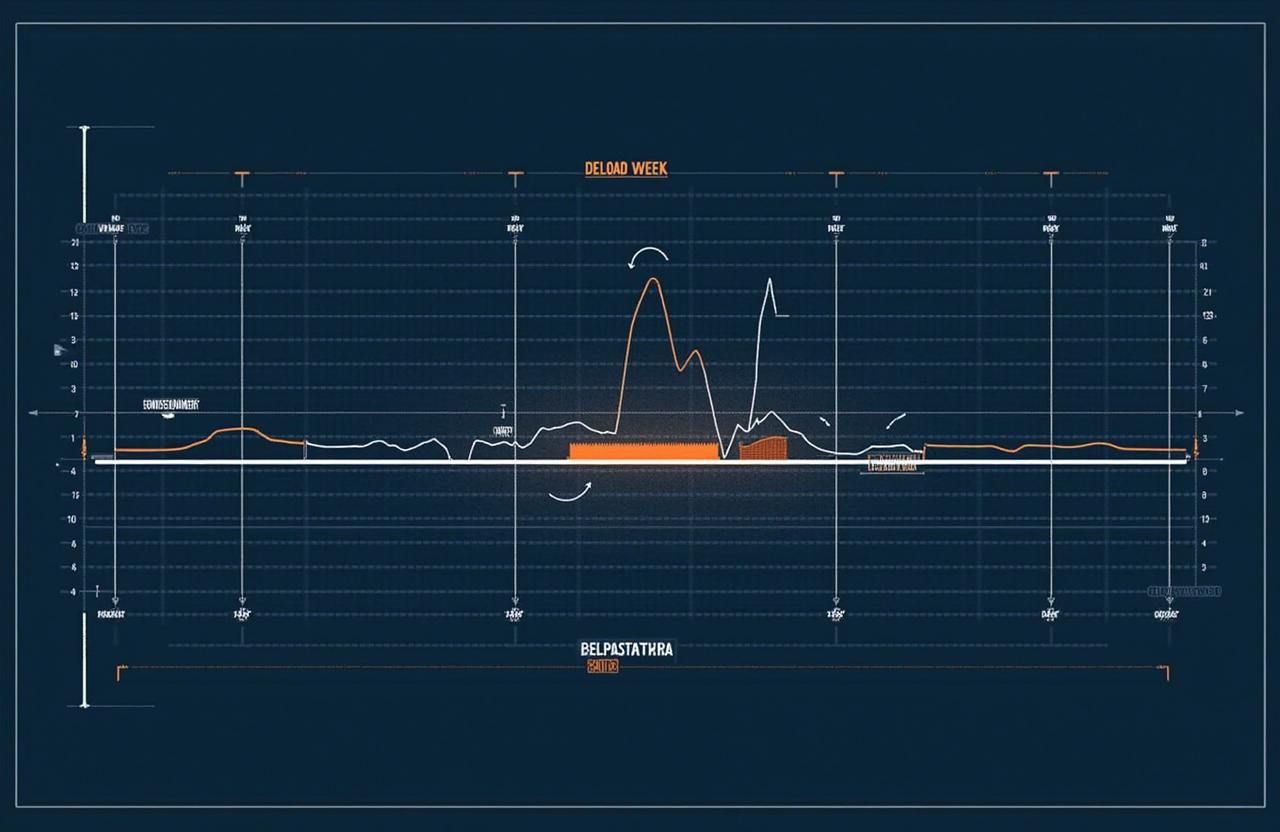
Use cycles (build/intensify/deload) instead of 'more forever'.

Execution Kernel
Simple daily procedures that reduce activation energy and decision fatigue.

Failure Recovery
Reboot fast after lapses so one glitch doesn't become a cascade.
Progression
Foundation
Defaults under 2 minutes. Boundaries, capture, and basic control loops.
Growth
5–30 minutes. Install audits, planning, and friction tuning.
Mastery
Higher precision. Periodization, debugging, and sequencing that holds under load.
Titan
Stress tests (sprints, emergency offloads, long focus blocks). Always paired with recovery.
Morning: boot the system
2–5mDeclare boundaries, pick your first action, stage the surface.
Day: execute with friction control
blocksDo small tasks fast, make good habits easy, add friction to distractions.
Conflicts: run compatibility checks
2–15mTag Glass vs Rubber. Use WOOP and Eisenhower to resolve trade-offs.
Evening: shutdown and recovery
10–15mCapture open loops, plan tomorrow's boot script, end work mode.
Weekly: tune the system
30mRun the Monday Audit. Patch failures. Plan deloads.
Week 1: Stabilize the baseline
Install Foundations only. Hard stop. Capture open loops. Never miss twice.
Week 2: Stop conflicts
Add Interference Detection. Tag Glass vs Rubber. Run WOOP before new commitments.
Week 3: Add the control loop
Schedule + run the weekly audit. Triage with Eisenhower. Plan a deload.
Week 4+: Prove fault tolerance
Use the Failure Reboot playbook when life breaks the plan. Then attempt a focused sprint.
Habit Cards
30
Core Systems
5
Progression Tiers
4
Weekly Review
30m
Curated sequences of habits designed to be practiced together. Click a playbook to see its cards in the deck below.
End work mode cleanly. Clear open loops. Start tomorrow without decision friction.
+2 more habits
When everything feels urgent, sort conflicts, reduce load, and protect Glass domains.
+2 more habits
Reset the system weekly: review, triage, and plan the next cycle without drift.
+2 more habits

Recover fast after a lapse. Patch the system. Keep the identity intact.
+2 more habits

Time-boxed overdrive, then recovery. Use for launches, deadlines, or breakthroughs.
+2 more habits
Challenges to accelerate your transformation. Click a quest to see its target cards.
Establish core stability by capturing loops, setting hard stops, and mastering the 2-minute execution rule for seven days.
"Your life is a complex machine. Before we optimize the output, we must stabilize the foundational architecture."
Eliminate resource competition by tagging glass priorities, triaging with Eisenhower, and debugging broken behavioral stacks.
"A system fails when its components fight for the same resources. It is time to resolve the interference."
Commit to radical focus by defining forbidden lists and executing an uninterrupted four-hour deep work session.
"The ultimate test of a system is its ability to generate high-output depth under controlled conditions."
30 habits across 5 core systems
foundation foundation
 foundation
 foundation
 foundation
 foundation
 foundation
 foundation
 foundation
 foundation
 growth
 growth
 growth
 growth
 growth
 growth
 growth
 growth
 growth
 growth
 mastery
 mastery
 mastery
 mastery
 mastery
 titan
titan titan
titan titan
titan titan
titan titan
titanExternal reading that informed this stack.
Zeigarnik effect
Wikipedia
en.wikipedia.org
Cognitive load theory
Wikipedia
en.wikipedia.org
WOOP (mental contrasting + implementation intentions)
WOOP My Life
woopmylife.org
General adaptation syndrome
Wikipedia
en.wikipedia.org
Essentialism (90% Rule)
Greg McKeown
gregmckeown.com
Antifragile (via negativa)
Nassim Nicholas Taleb
penguinrandomhouse.com
Getting Things Done (2-minute rule)
David Allen
gettingthingsdone.com
Deep Work (shutdown ritual)
Cal Newport
calnewport.com
Cross-disciplinary habit systems designed to layer on top of this protocol.
Morning sunlight, hydration protocols, nutrition timing, and sleep hygiene for high, stable daily energy.

Synthesize interdisciplinary knowledge, spot non-obvious patterns, and solve complex problems faster.

Data-driven biomarkers, metabolic efficiency, and circadian alignment for high-stamina careers.
Your personal binder of stashed cards and habit stacks.