 foundation
Install a Shower Capture Tool
Mount a waterproof pad and pencil; write 1-3 word anchors, move to inbox after.
⏱ 2m⚡ tactical
Idea Capture Nets
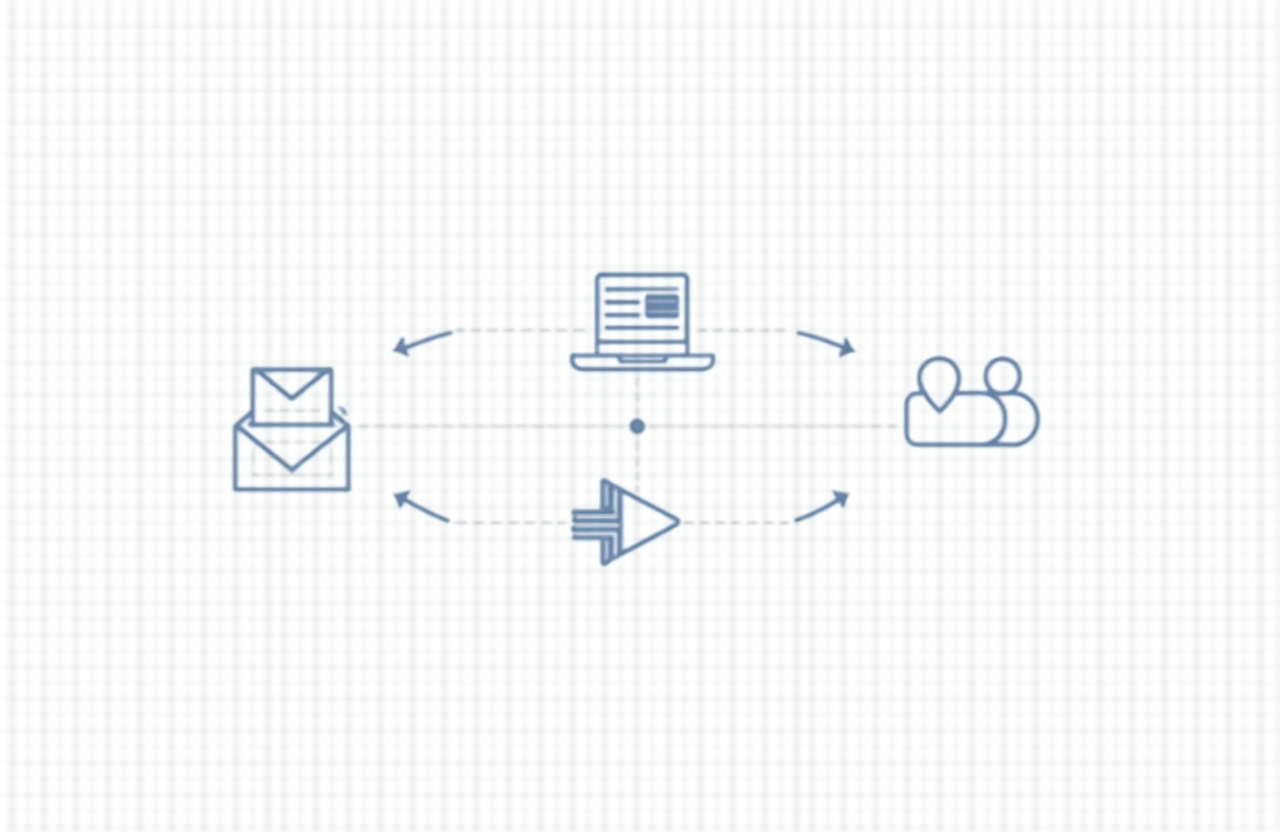
A closed-loop writing system: capture ideas, draft fast, edit ruthlessly, and distribute across platforms.
Common Myth
Prolific output requires more discipline and more inspiration.
Mechanism
Click a system to explore its habits

Idea Capture Nets
Reduce idea half-life. Close open loops. Keep a ready queue of draftable seeds.
Drafting Sprint Engine
Separate modes. Write on a timer. Protect flow by banning research and micro-editing.
Distribution Loops
Package for transmission. Measure channels. Convert peers and readers into repeatable growth.

Editorial Compression
Increase signal-to-noise with mechanical edits: cut, activate verbs, remove wind-ups.

Writer Hardware & Identity
Protect sleep and prime cognition. Reinforce an output identity by tracking shipments, not hours.
Progression
Foundation
Under 10 minutes. Remove friction. Install capture surfaces. Start sprints. Add shipping cues.
Growth
5–45 minutes. Make loops measurable: one-tap capture, UTM tracking, repeatable hook checks, structured edits.
Mastery
Weekly operating cadence. Triage the inbox, chain sprints, run partner pipelines, and review performance.
Titan
Acute tests. Publish daily for a week. Draft without backspace. Run long input-free output blocks.
Morning: output first
20mWrite before messages. Get a proof-of-work chain started.
During the day: capture without negotiation
15s–2mCapture quickly, tag immediately, and dump into one inbox.
Drafting: sprint mode
20mWrite continuously. No research. Use <TK> markers.
Before shipping: compress and package
30–60mCut 10%, remove wind-ups, strengthen verbs, then write the hook and add a practical asset.
Weekly: review and re-aim
30mAudit what shipped and what performed. Fix one system, not everything.
Week 1: stop the leakage
Install capture surfaces and a one-tap button. Tag everything at capture. Build a small queue.
Week 2: draft on a timer
Run daily 20-minute sprints. Use placeholders. Protect flow by closing inbox tabs and moving the phone.
Week 3: ship with transmission
Run STEPPS checks, add visual anchors, and make distribution measurable with UTMs.
Week 4+: make it a loop
Add weekly triage + Sunday review. Prospect partners. Systematize what works and kill what doesn’t.
Curated sequences of habits designed to be practiced together. Click a playbook to see its cards in the deck below.

Stop losing ideas. Build a reliable capture surface and a draftable queue.
+4 more habits
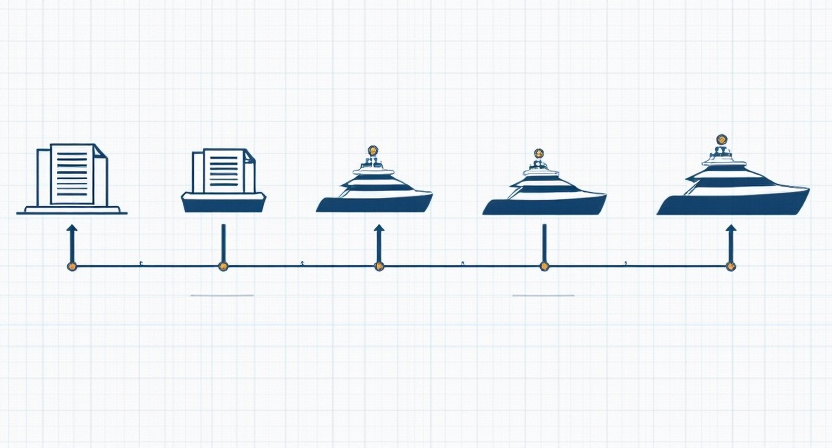
Draft fast without research thrash, then compress hard and ship.
+6 more habits

Package for spread: hook, STEPPS, visual anchor, and measurable links.
+3 more habits

Close loops, improve one system, and plan next week’s shipping.
+2 more habits

A mastery test: no new inputs, stable execution, and a shipped artifact.
+3 more habits
Challenges to accelerate your transformation. Click a quest to see its target cards.
Install capture tools, enforce the 20-second rule, and complete your first shitty draft with TK placeholders.
"Stop waiting for the muse. We build nets for the signal and engines for the raw output."
Master the Drafting Sprint Engine by removing distractions, chaining sprints, and writing without a backspace key.
"Writing isn't thinking; it's a mechanical process of extraction. Keep the keys moving until the draft is done."
Execute a 4-hour input-free block to prep and publish a piece, then ship an edited asset in 60 minutes.
"The ultimate test of a publisher: four hours, zero inputs, one shipped artifact. Close the loop."
40 habits across 5 core systems
foundation foundation
 foundation
 growth
 growth
 mastery
 mastery
 titan
titan foundation
 foundation
 foundation
 growth
 growth
 mastery
 mastery
 titan
titan foundation
 foundation
 foundation
 growth
 growth
 mastery
 mastery
 titan
titan foundation
 foundation
 foundation
 growth
 growth
 mastery
 mastery
 titan
titan foundation
 foundation
 foundation
 growth
 growth
 mastery
 mastery
 titan
titanExternal reading that informed this stack.
On Finished and Unfinished Tasks (Zeigarnik Effect)
Zeigarnik (1927)
gwern.net
Attention residue when switching between work tasks
Leroy (2009)
ideas.repec.org
A Cognitive Process Theory of Writing
Flower & Hayes (1981)
fsuprelims.weebly.com
Contagious Framework (STEPPS)
Jonah Berger
jonahberger.com
Paramedic Method for Revising Prose (PDF)
Purdue OWL
cla.purdue.edu
Creative Networks: coupling of default and executive control networks
Beaty et al. (2015)
scottbarrykaufman.com
Brain Drain: The Mere Presence of One’s Own Smartphone Reduces Available Cognitive Capacity
Ward, Duke, Gneezy, Bos (2017)
repositories.lib.utexas.edu
Cross-disciplinary habit systems designed to layer on top of this protocol.

Interrupt compulsive screen loops and restore deep focus using notebooks, physical friction, and analog rituals.
Turn recurring responsibilities into frictionless, automated checklists that run reliably every time.

High-fidelity diagnostic thinking: protect evidence integrity, reason from first principles, and avoid blind spots.
Your personal binder of stashed cards and habit stacks.